Everything You Need to Know About EV Warranty Coverage
Everything You Need to Know About EV Warranty Coverage
Posted on June 18, 2026
Electric vehicle warranty coverage is designed to protect drivers from unexpected repair costs. In British Columbia, EVs are becoming more common, and warranty support is an important part of ownership confidence.
An EV warranty usually covers key parts of the vehicle for a set number of years or kilometres. This helps reduce worry about long term maintenance costs. Most manufacturers also offer separate coverage for the battery system, which is one of the most important parts of an electric vehicle.
Why EV warranty is different from regular cars

EVs are built differently from gasoline vehicles. There is no engine oil, exhaust system, or traditional transmission in most electric models. Because of this, warranty coverage is structured in a slightly different way.
Less moving parts often means fewer mechanical issues. However, the battery system and electric motor become the main focus of protection. This is why EV warranties are often split into different sections such as basic coverage, powertrain coverage, and battery coverage.
Battery warranty coverage explained
The battery is the most important and expensive part of an electric vehicle. That is why it usually comes with a separate warranty. Most EV manufacturers offer battery coverage for a long period, often around 8 years or up to a set kilometre limit such as 160,000 km. During this time, the battery is protected against significant loss of capacity or manufacturing defects.
If battery performance drops below a certain level, repair or replacement may be included depending on warranty terms. This helps protect long term value for EV owners.
Powertrain and component protection

The electric powertrain includes the motor, inverter, and related electronic systems. These parts are also covered under warranty for a set period. Coverage for these components helps ensure that major repair costs are reduced during early ownership years. In many cases, this warranty is similar in length to battery coverage.
Standard vehicle components such as suspension, brakes, and interior systems are usually covered under a separate basic warranty.
Basic vehicle warranty coverage
EVs also come with a basic warranty similar to gasoline vehicles. This covers general parts such as electronics, air conditioning, infotainment systems, and interior components.
Basic warranties usually last around 4 years or 80,000 km, depending on the manufacturer. This coverage helps protect against early manufacturing defects or issues that may appear during normal use. In most cases, maintenance items such as tires, brake pads, and wiper blades are not included under warranty, as they are considered wear and tear items.
What is not covered under EV warranty
EV warranties do not cover everything. Damage caused by accidents, misuse, or lack of maintenance is usually not included. Normal wear and tear items are also excluded. This includes tires, brake pads, and cosmetic damage such as scratches or dents.
If modifications are made to the vehicle that are not approved by the manufacturer, warranty coverage may also be affected.
How warranty supports EV ownership in Canada

In Canada, EV ownership is growing quickly due to fuel savings and environmental benefits. Warranty coverage helps make this transition easier by reducing repair concerns.
Cold weather conditions in British Columbia and across Canada can affect battery performance slightly. However, EVs are designed with thermal management systems to help maintain battery health. Warranty protection adds extra confidence for drivers dealing with different weather conditions, long highway travel, and daily commuting.
Charging systems and warranty support
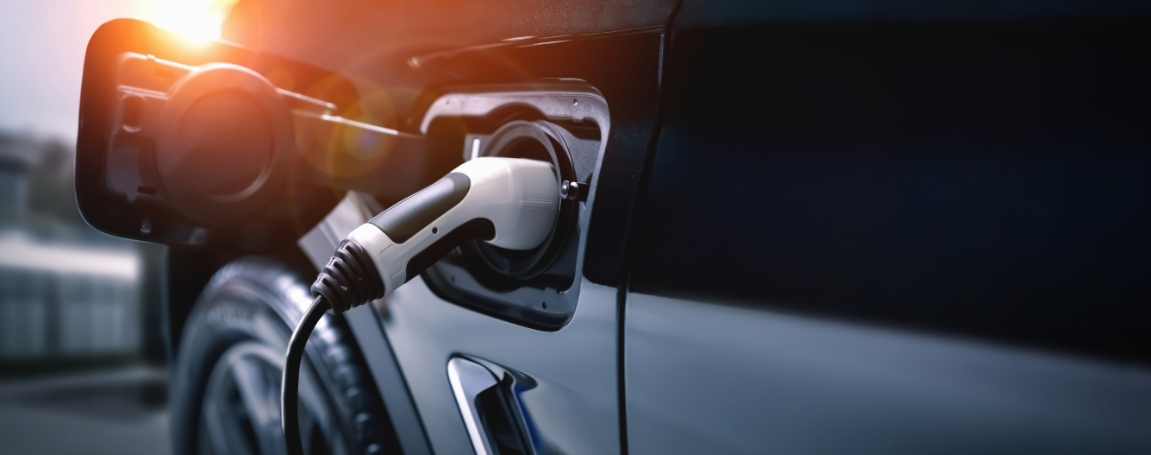
Charging equipment such as onboard chargers and charging ports are often included under EV warranty coverage. These systems are important for daily use.
Home charging stations, such as Level 2 chargers, may come with separate warranties depending on installation and manufacturer support. Proper use of approved charging equipment is important to maintain warranty coverage over time.
Manufacturer differences in EV warranty
Different brands offer different warranty terms. Some may offer longer battery coverage, while others may focus on extended basic warranty periods. Premium EV brands may also include additional protection plans or extended service options. It is always recommended to check specific model warranty details before purchase.
In British Columbia, programs such as EV incentives and clean energy support initiatives may also influence EV adoption, but warranty remains a separate manufacturer responsibility. More information on EV support programs in Canada can be found through Transport Canada and BC Hydro resources.
EV maintenance and warranty relationship
EV maintenance is generally lower compared to traditional vehicles. No oil changes are required, and fewer mechanical parts are involved.
However, regular inspections are still recommended. Brake systems, tires, and software updates are important for safe and efficient operation. Following maintenance schedules is important to keep warranty coverage valid.
Understanding warranty limits and conditions
Every EV warranty has specific conditions. These include time limits, kilometre limits, and usage rules. Once the warranty period ends, repair costs become the responsibility of the owner. Extended warranty plans may be available for additional protection. Reading warranty documents carefully helps avoid confusion later during ownership.
EV ownership confidence in British Columbia

In areas like Nanaimo and surrounding coastal roads, EVs are becoming more common. Warranty protection plays an important role in making drivers feel more confident.
From city driving to highway travel, EVs are designed for different conditions. Warranty coverage ensures support is available if something goes wrong during the covered period.
Visit Laird Wheaton Cadillac for EV support
Understanding EV warranty coverage is an important part of choosing the right vehicle. At Laird Wheaton Cadillac in Nanaimo, British Columbia, EV models and warranty details can be explained clearly.
A strong warranty can make EV ownership easier and more secure. Visit Laird Wheaton Cadillac to explore available electric vehicles and learn more about coverage options designed for Canadian drivers.